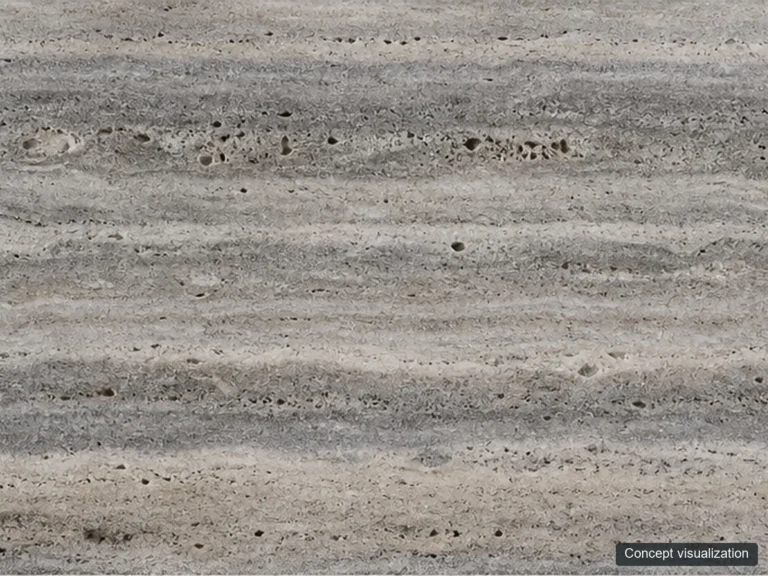
Classic Roman Travertine
Travertine · Italy
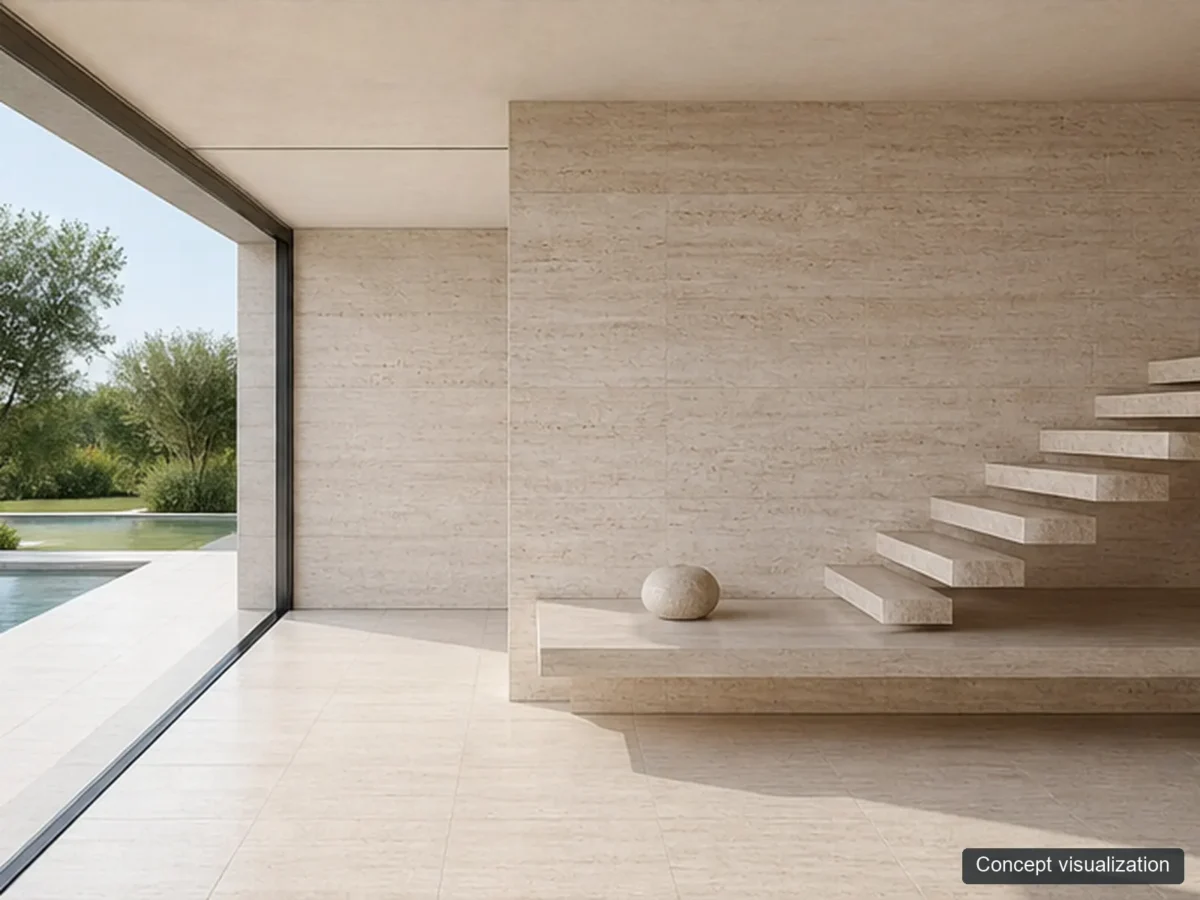
Material profile
About Classic Roman Travertine
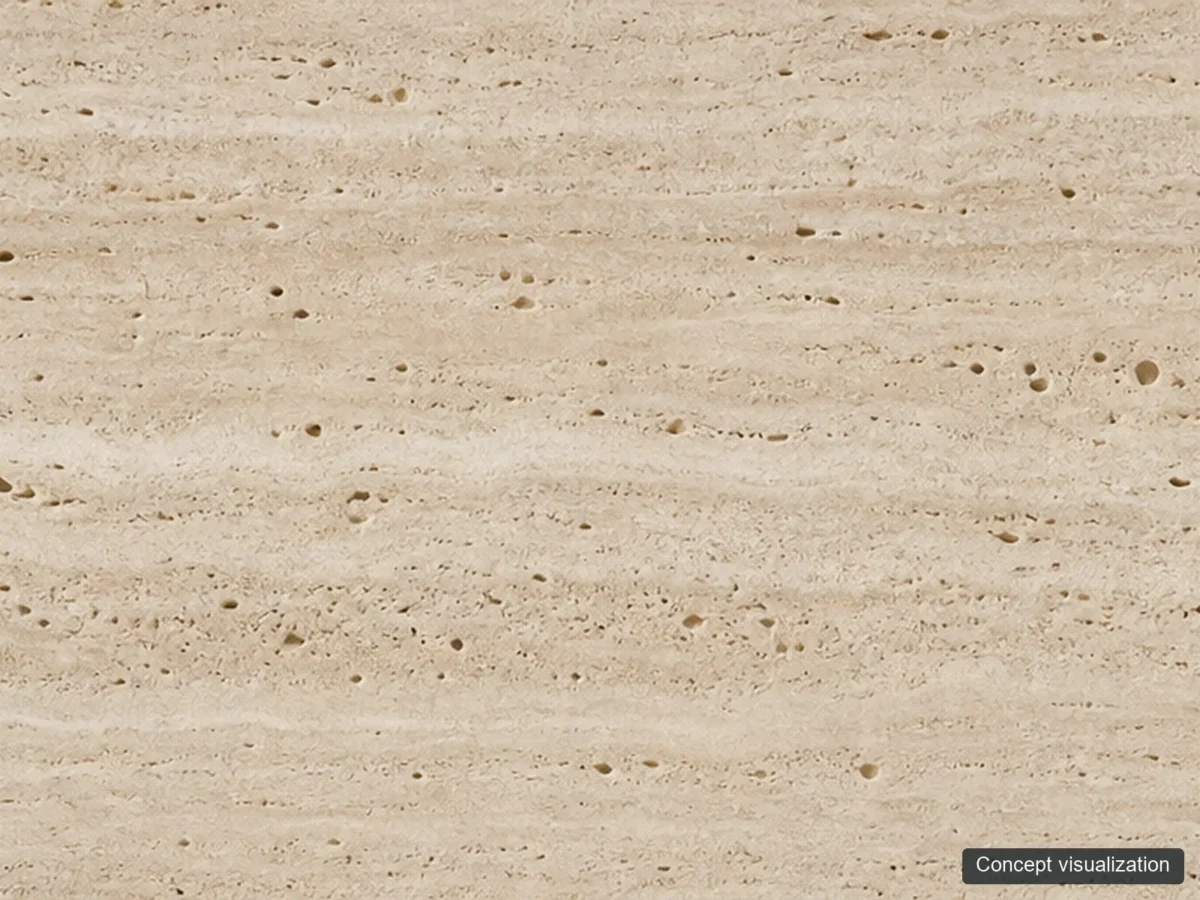
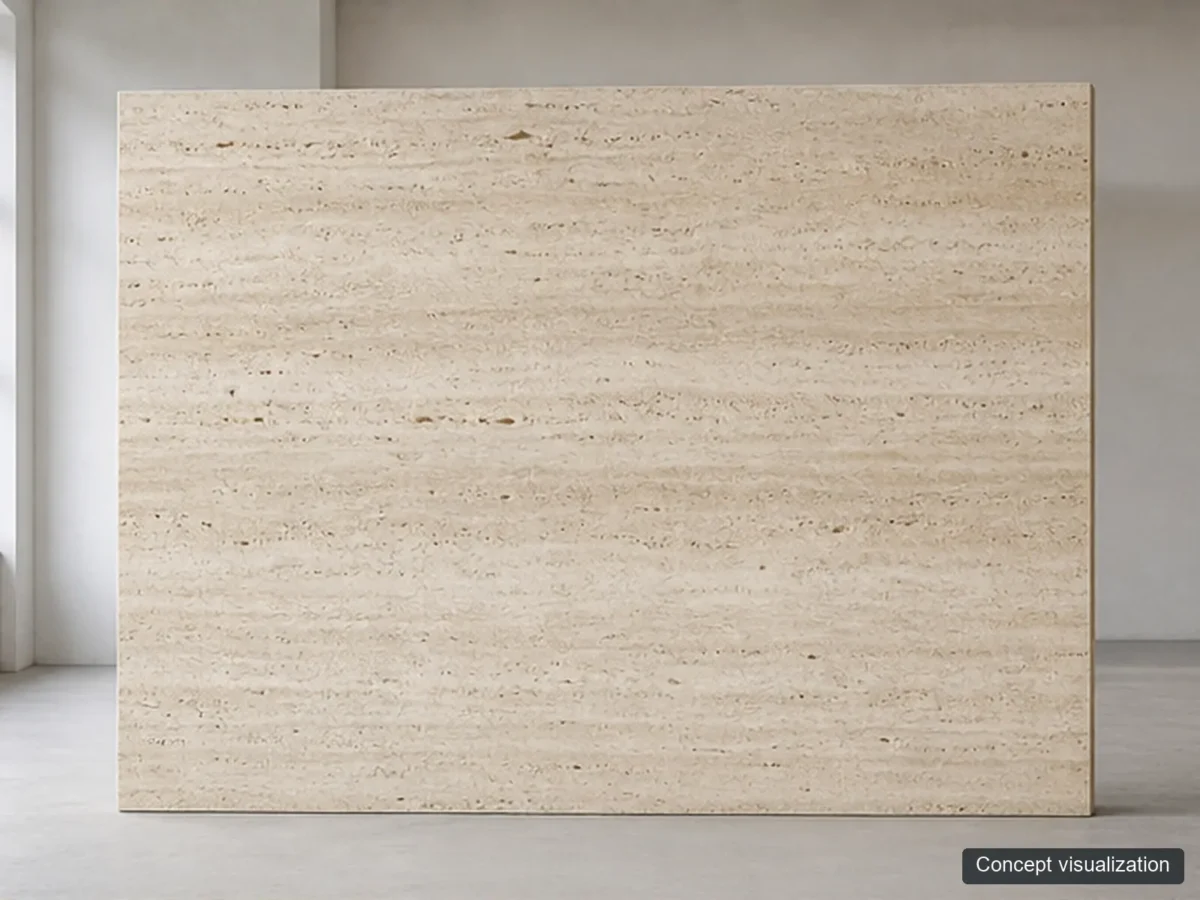
Classic Roman Travertine is a beige calcareous dimension stone associated with the Tivoli and Guidonia district east of Rome. Vein-cut and cross-cut faces produce different visual structures. Confirm source, cut direction, pore treatment, finish, selected lot, applicable testing, thickness, anchoring or installation, cleaning, exposure, and maintenance before specification.
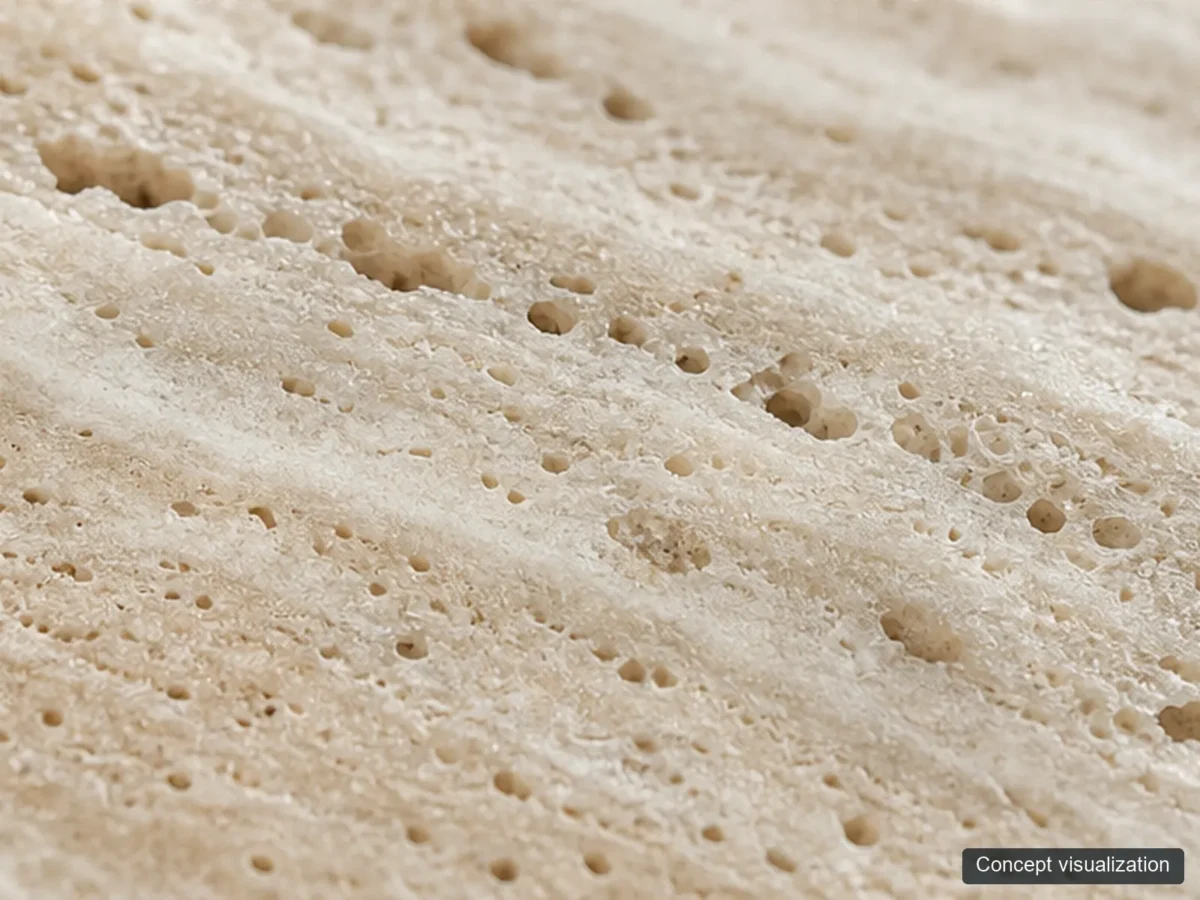
Roman Travertine varies by bed, cut direction, pore distribution, fill, tone, and finish. Vein-cut emphasizes bands; cross-cut presents a clouded field.
Approve source and range, then coordinate fill, finish, thickness, anchoring, joints, drainage, installation, cleaning, and maintenance.
Confirm before specification
- Commercial identity, origin evidence, selected lot, visual range, vein direction, and sample approval.
- Application, exposure, substrate, finish, slip or maintenance needs, fabrication details, and installation method.
- Dimensions, thickness, tolerances, quantity, packing, destination, inspection, programme, price basis, and written responsibilities.
Sources & verification
-
Roman Travertine since 1938
Fratelli Pacifici
Tivoli/Guidonia quarry district and Roman Travertine production context.
Accessed 2026-07-28 · profile reviewed 2026-07-28 -
Street of the Travertine
Visit Tivoli
Municipal historical and geological context for Tivoli travertine.
Accessed 2026-07-28 · profile reviewed 2026-07-28
Sources support the stated material context; they do not prove VeyraStone inventory, ownership, supply authorization, or a selected lot.
Reviewed questions
Classic Roman Travertine FAQ
What is the difference between vein-cut and cross-cut travertine?
Vein-cut follows bedding and shows linear bands; cross-cut cuts across bedding and shows a more clouded field. Approve actual samples.
Should travertine pores be filled?
Filled or unfilled treatment depends on use, finish, cleaning, slip, weathering, and maintenance. Define it in the project specification.
Can Roman Travertine be used on facades?
It can be considered only with source-specific reports and an engineered panel, anchoring, joint, drainage, installation, and maintenance design.
Commercial discussion
Products & Prices
- Formats
- Blocks, slabs, tiles, facade panels, stairs, and cut-to-size may be discussed.
- Thickness
- 2 cm, 3 cm
- Nominal slab sizes
- Confirm from the proposed lot and cut direction.
- Finish
- Honed, Polished, Brushed, Sandblasted
- MOQ
- Confirmed against source, cut, finish, and production scope.
- Price
- Price on request
Why no online price?
Natural-stone pricing depends on the selected block or lot, visual range, dimensions, thickness, finish, fabrication, quantity, packing, route, Incoterms, timing, documentation, and inspection scope.
Specification inquiry
Request Classic Roman Travertine selection and pricing
Choose the known parameters. The contact form will carry this material, the source URL, and your inquiry intent; availability and all commercial terms remain subject to written confirmation.
Continue comparing
Related stone profiles
